English
 Français
 Español

Oct 19,2026
When a food manufacturer opens a new batch of dried vegetables, the evaluation rarely starts with price. It starts with consistency: uniform colour, correct particle size, acceptable moisture content, and a microbiological profile that matches the agreed specification. These checks determine whether an ingredient earns a place in a commercial recipe or gets sent back to the supplier.
Dried vegetables are one of the most widely used ingredient categories in the food industry. They appear in instant noodles, soups, sauces, seasoning blends, bakery fillings, snack seasonings and ready meals. For procurement managers, research and development teams, and quality assurance staff, understanding how dried vegetables behave, how they are produced and which specifications truly matter is essential for building a reliable supply chain.
What Are Dried Vegetables?
Dried vegetables are fresh vegetables that have had most of their water removed through a controlled drying process. Moisture content typically falls from around 80 to 95 percent in the fresh state to roughly 5 to 8 percent in the finished product. At this level, enzymatic activity slows dramatically and microbial growth is inhibited, giving the ingredient a shelf life of 12 to 24 months when stored correctly.
The terms "dried vegetables" and "dehydrated vegetables" are often used interchangeably, but in technical and trade contexts there is a meaningful distinction. Sun-dried products rely on natural weather conditions, while commercially dehydrated vegetables are processed in controlled environments using hot air, vacuum or freeze-drying. These different approaches affect consistency, food safety and processing performance. For food manufacturers, the technical difference between dehydrated and dried vegetables directly influences which product is appropriate for a given application.
How Are Dried Vegetables Produced?
Commercial dehydration follows a well-defined sequence: raw material reception, washing, peeling or trimming, cutting, blanching, drying, screening and final inspection. Each step leaves a measurable mark on the finished ingredient.
Blanching deserves special attention. It inactivates enzymes that would otherwise cause browning and off-flavours during storage. It also helps fix the colour of green vegetables and reduces the surface microbial load of the raw material. A well-managed blanching step is often the first indicator of a supplier's technical discipline.
Drying itself is a balance between speed and quality. If the temperature is too high, the vegetable can scorch or develop a cooked flavour. If the air flow or residence time is incorrect, moisture may remain unevenly distributed, creating a risk of mould during transport. In a properly designed conveyor dryer, vegetables move through temperature zones that gradually reduce moisture without damaging cell structure. A more detailed walkthrough of this process is available in our article on how dehydrated vegetables are made.
Dried Vegetable Varieties Used in Food Manufacturing
Not all dried vegetables behave the same way in a recipe. Some varieties are used almost universally, while others serve narrower product categories.
Aromatic Bases: Onion, Garlic and Leek
Onion is probably the most versatile dried vegetable in savoury food production. Dried onion flakes, granules and powder deliver the savoury-sweet base note that soups, bouillons, sauces, seasoning blends and snack coatings rely on. Its flavour compounds survive drying well, and it rehydrates quickly in hot systems. Garlic, in both granule and powder form, is equally fundamental to marinades, processed meats, dressings and savoury snacks. Leek adds a milder, slightly sweet note to cream soups and potato-based dishes.
These aromatic vegetables are dried in different particle sizes, and the choice of particle size changes how an ingredient behaves. For example, dehydrated onion flakes are preferred when visible pieces are desirable in the final product, while onion powder is used when a smooth, uniform texture is required.
 Wholesale Dried/Dehydrated Onion Manufacturers, Suppliers - Xinghua Jiahe Foods Xinghua Jiahe Foods Co., Ltd is China wholesale Dehydrated Onion suppliers and manufacturers, as exporter&importer, our factory custom Fi...View Product →
Colour and Nutritional Contributors: Pepper, Tomato and Leafy Greens
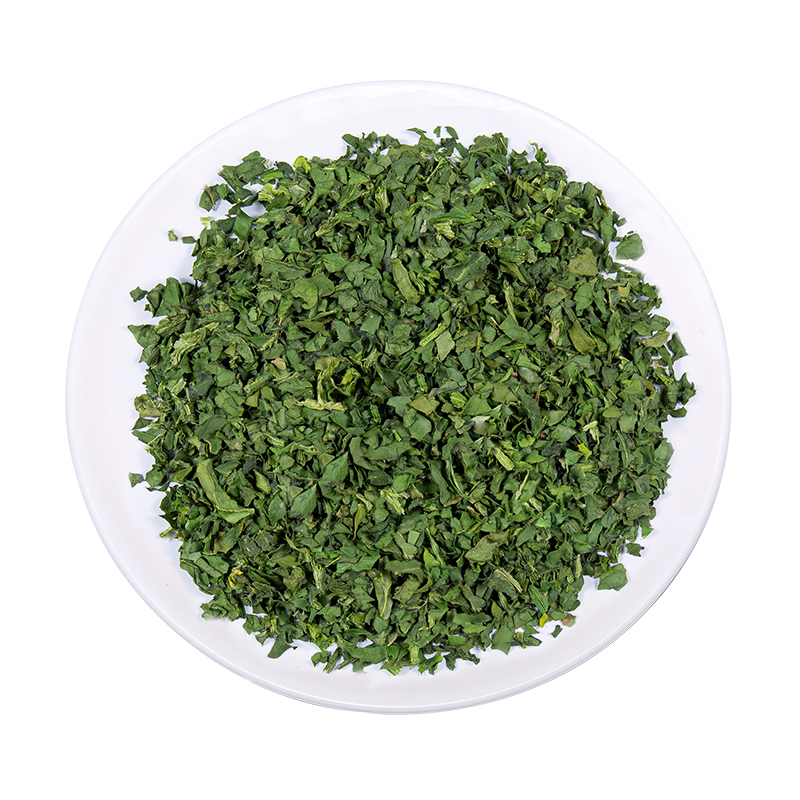
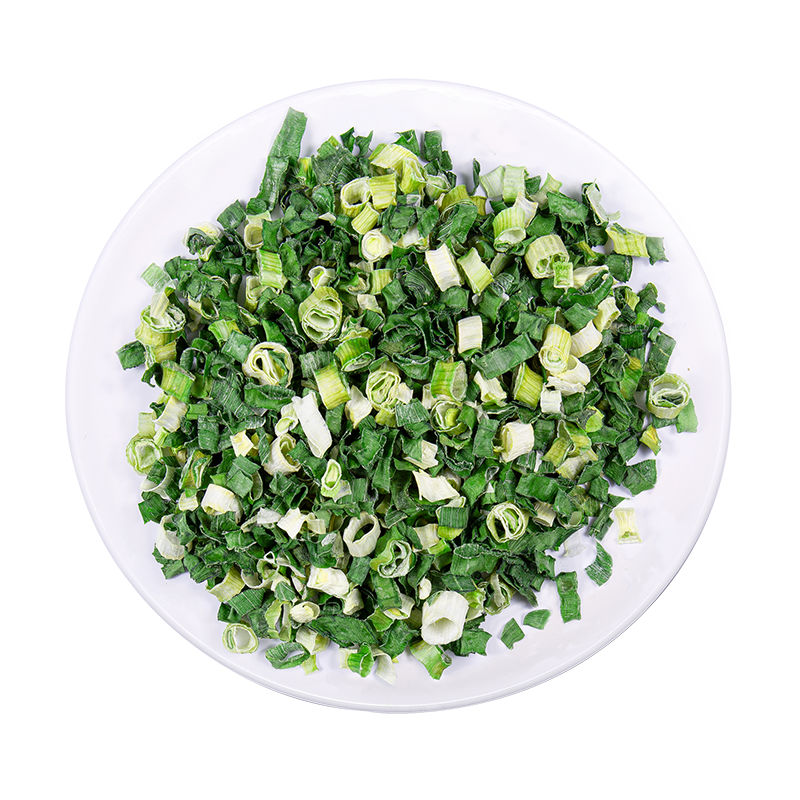
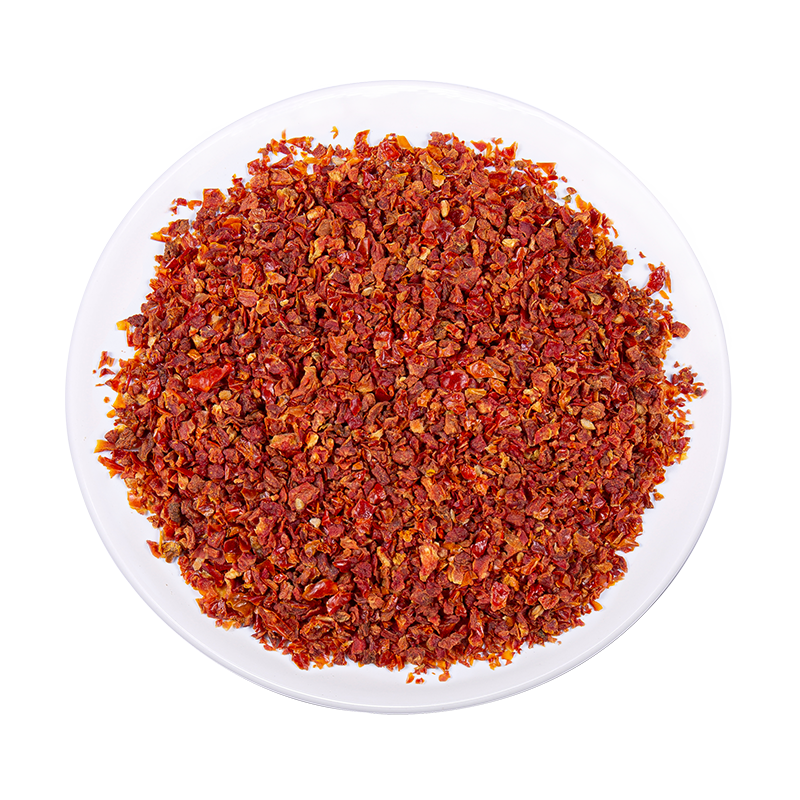
Green and red peppers hold their colour well after dehydration and are widely used in pizza toppings, dry sauce mixes, meal kits and ethnic dishes. Tomato, available in powder and granule forms, supports pasta sauces, soup bases and seasoning systems, although its naturally higher sugar content means caramelisation must be controlled carefully during drying. Leafy vegetables such as spinach, cabbage and spring onion provide green visual notes and nutritional density, but their thin cell walls lose structure faster, so they require shorter and gentler drying profiles.
Quality Checks That Matter Before Approval
Every serious buyer should receive a specification sheet and a certificate of analysis before any commercial delivery. The specification defines the agreed parameters; the certificate proves that a specific lot conforms to them. The parameters fall into five main categories.
| Parameter | Typical Specification | Why It Matters |
|---|---|---|
| Moisture content | 4 to 8 percent, depending on product | Determines shelf life, texture and microbial safety |
| Particle size | Per mesh or sieve range | Affects rehydration time, appearance and dosage accuracy |
| Colour | Reference standard or tolerance range | Ensures visual consistency in finished products |
| Microbiological counts | Per BRC or customer specification | Required for food safety compliance in export markets |
| Foreign material | Zero tolerance within defined limits | Covers stones, stems, plastic and other contaminants |
Moisture is the single most important number. A product delivered at 8 percent moisture can feel dry and stable, but if the specification requires 5 percent, the difference affects both yield and the risk of caking, clumping or mould growth during warehouse storage. Always verify moisture on arrival instead of relying only on the certificate of analysis.
Colour deserves more attention than many buyers give it. Fresh raw material varies seasonally, and a skilled processor adjusts drying parameters to compensate for natural variation. If a supplier cannot keep colour within a defined range, the finished product will look different from batch to batch. Dehydrated green pepper is a good example: keeping the green hue stable through drying requires careful blanching and tightly controlled temperature profiles.
Dehydrated/Dried Green Bell Peppers Manufacturers, Suppliers, FactoryXinghua Jiahe Foods Co., Ltd is China dehydrated green bell pepper manufacturers and custom dried green pepper suppliers, our factory who...View Product →
Food safety certification is equally critical. For exports to Europe, North America and other regulated markets, buyers routinely require BRC certification. A supplier with a current BRC A or A+ rating has been audited against one of the most demanding global food safety standards, covering hazard analysis, traceability, hygiene, allergen control and process management.
Using Dried Vegetables in Product Formulation
Dried vegetables are not simply fresh vegetables with the water removed. Removing water concentrates flavour, sugar and acid, making dried ingredients considerably more potent per kilogram. A formulation developed for fresh vegetables cannot be converted with a simple water substitution.
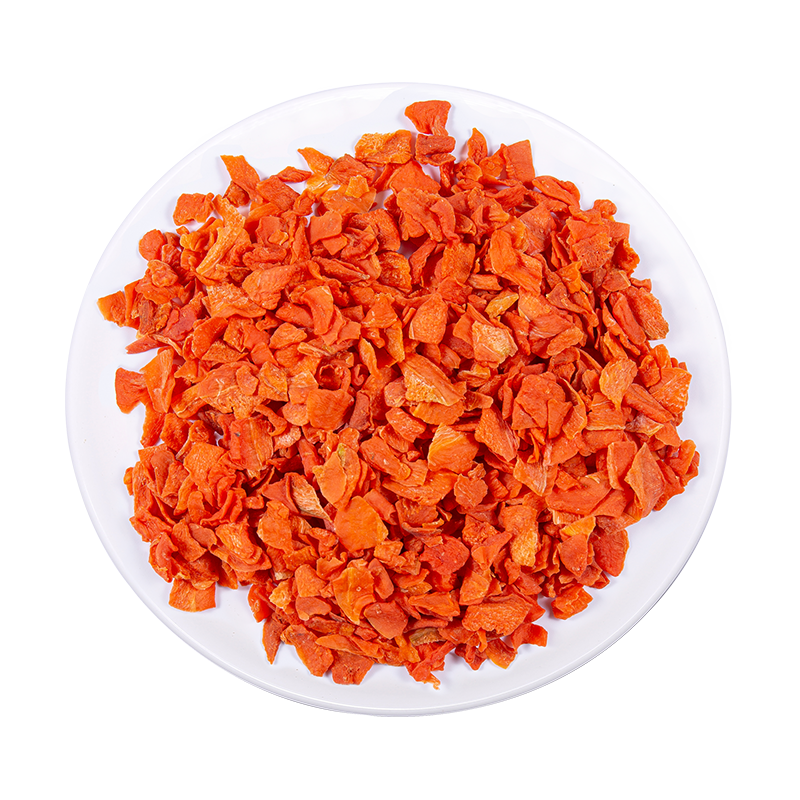
Rehydration is the most common handling step. As a general guide, onion flakes rehydrate in about 5 to 10 minutes in warm water, dehydrated carrot dice in 15 to 20 minutes, and leafy vegetables in just a few minutes. Products made by different drying methods rehydrate differently: hot-air dried vegetables absorb water gradually, while freeze-dried products rehydrate almost instantly but are considerably more expensive and physically fragile.
Wholesale Dried/Dehydrated Carrot Manufacturers, Suppliers - Xinghua Jiahe FoodsXinghua Jiahe Foods Co., Ltd is China wholesale Dehydrated Carrot suppliers and manufacturers, as exporter&importer, our factory custom F...View Product →
Two practical rules help avoid common formulation problems:
- Add dried vegetables by weight, not by volume. Bulk density varies with particle size and variety, so volume-based dosing causes batch-to-batch inconsistency.
- If the recipe includes a hydration step, account for the water that the vegetables will absorb. Adjust total liquid and cooking time in the process rather than assuming a fixed rehydration ratio.
Particle size also controls usage. Fine carrot granules dissolve quickly into a coloured broth, while larger dice retain visible shape and bite through long cooking cycles. Specifying the right particle size at the sourcing stage prevents costly adjustments later.
Selecting a Dried Vegetable Supplier
Choosing a supplier is a procurement decision, but it is also a food safety and product quality decision. Three aspects deserve the most attention.
Raw Material Control
Suppliers that manage their own planting bases exercise direct control over variety, pesticide use, harvest timing and cold chain logistics. For critical items such as onion, carrot, cabbage and pepper, this vertical integration reduces the risk of contamination and of sudden quality fluctuations caused by market sourcing.
Production Capacity and Flexibility
A reliable supplier should be able to commit to volumes beyond your current order. Ask about annual capacity, the number of production lines and how they handle seasonal peaks. In our case, the Jiangsu and Inner Mongolia facilities together produce roughly 7,000 tonnes of dried vegetables per year, covering both year-round staples and seasonal specialties.
Food Safety Certification and Audit History
BRC certification is a baseline in most international markets. Check the grade, the audit date and whether the audit scope covers the specific products you intend to buy. An A or A+ rating indicates a high level of compliance, but the certificate needs to be recent and relevant to your product range.
From Samples to Commercial Supply
Before committing to a large order, run a structured evaluation. Request samples, test them against your specification in your own laboratory and try them in an actual pilot batch of your finished product. Check rehydration behaviour, colour stability in the final matrix and how the ingredient interacts with salt, acid and heat.
Once a batch passes these checks, confirm commercial terms, packing options, lead times and safety stock policy. A professional supplier will provide a clear specification, a certificate of analysis for every lot, documented traceability and the option of an on-site audit.
Dried vegetables are a mature and dependable ingredient category. The difference between an average batch and an excellent batch is in the details: controlled raw material, disciplined processing and honest specifications. When those details are in place, dried vegetables become one of the most cost-effective ways to add flavour, colour and nutrition to industrially produced food.