English
 Français
 Español

Jun 16,2026
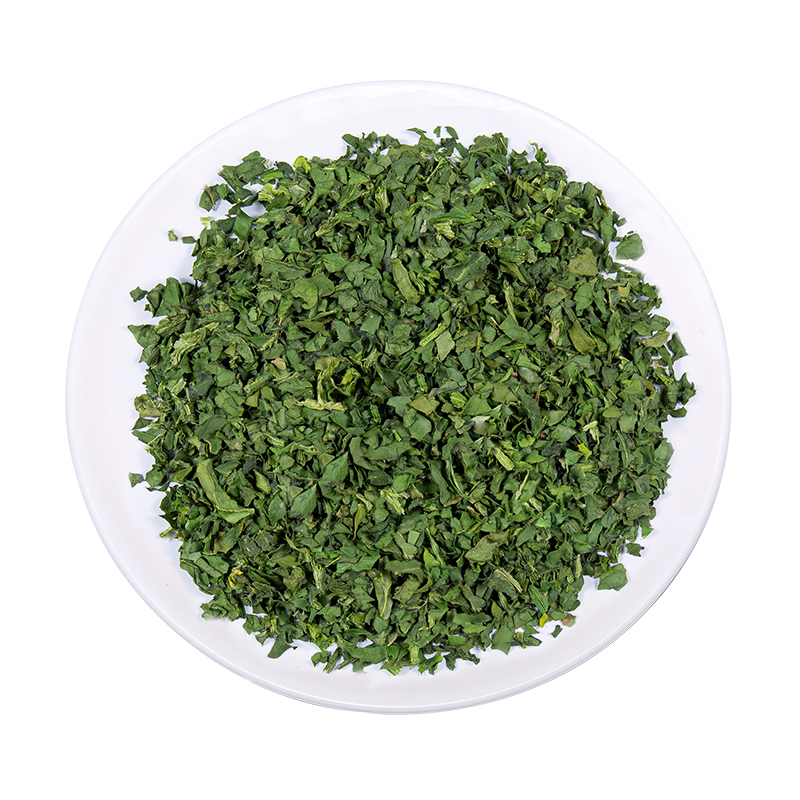
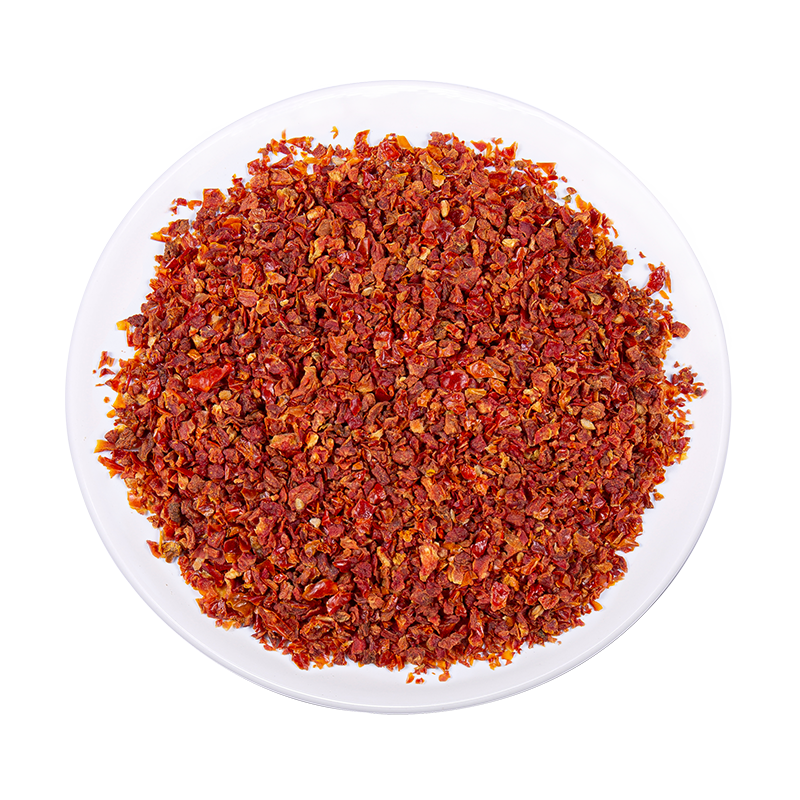
Dehydrated green pepper delivers a sharper, grassier, and more vegetal flavor, while dehydrated red pepper offers a sweeter, richer, and slightly fruity profile. For savory seasoning blends and spice-forward applications, dehydrated green pepper is the stronger performer. For sauces, marinades, and color-enhancing uses, dehydrated red pepper takes the lead. Neither is universally superior — the right choice depends entirely on your culinary target.
Both are derived from Capsicum annuum, but the stage of harvest determines everything: green peppers are picked before full maturity, while red peppers are left to ripen fully on the vine. This single difference drives distinct flavor compounds, nutritional values, and processing behaviors.
Flavor Profile Comparison
The flavor difference between dehydrated green pepper and dehydrated red pepper is significant enough to affect recipe outcomes at the formulation level.
Dehydrated Green Pepper
- Sharp, bitter-edged, and herbaceous
- Pronounced pyrazine compounds create a grassy, green note
- Low natural sugar content — approximately 2.4g of sugar per 100g fresh weight
- Holds flavor intensity well in dry spice blends and rubs
Dehydrated Red Pepper
- Sweet, mellow, and slightly fruity with caramelized undertones
- Higher concentration of capsanthin and capsorubin — compounds responsible for red pigmentation and mild sweetness
- Natural sugar content nearly doubles at around 4.2g per 100g fresh weight
- Better suited for sauces, soups, and applications where background sweetness is desirable
Nutritional Differences After Dehydration
Dehydration concentrates nutrients in both varieties, but the starting nutritional composition differs considerably. Red peppers, being fully ripened, accumulate significantly more carotenoids and vitamin C during their extended growth period.
| Nutrient (per 100g fresh) | Green Pepper | Red Pepper |
|---|---|---|
| Vitamin C | 80mg | 128mg |
| Vitamin A (RAE) | 18mcg | 157mcg |
| Beta-Carotene | 208mcg | 1624mcg |
| Natural Sugars | 2.4g | 4.2g |
| Calories | 20kcal | 31kcal |
After dehydration, these values are concentrated by roughly 8 to 10 times, making both varieties nutrient-dense ingredients in small volumes. However, red pepper's higher carotenoid content makes it a stronger option for health-positioned products.
Culinary Applications: Where Each Excels
The practical use cases for dehydrated green pepper and dehydrated red pepper rarely overlap completely. Understanding where each performs best helps manufacturers, chefs, and formulators make informed purchasing decisions.
Best Uses for Dehydrated Green Pepper
- Savory spice blends and dry rubs — the bitter-green bite adds complexity
- Instant noodle and soup seasoning packets — fast rehydration and strong visual presence
- Stuffed pepper products and rice dishes requiring green color retention
- Meat processing and sausage seasoning where sweetness is undesirable
- Snack coatings and seasoned crackers where a bold, pungent note is preferred
Best Uses for Dehydrated Red Pepper
- Pasta sauces, pizza toppings, and tomato-based products — the sweet depth enhances richness
- Color-forward applications such as paprika blends and visual garnishes
- Health supplement powders and functional food products
- Frozen meal vegetable mixes where visual appeal drives consumer purchase
- Salad dressings and condiment formulations requiring mild sweetness
Color and Appearance in Finished Products
Visual impact is a critical consideration in food product development. Dehydrated green pepper retains its characteristic olive-to-bright-green color depending on the drying method used. Dehydrated red pepper produces deep crimson to brick-red tones that dominate a product's appearance.
In mixed vegetable seasoning blends, both are frequently used together precisely because their contrasting colors create visual appeal without either flavor overwhelming the blend. A common industry ratio in multi-color pepper mixes is 40% green, 40% red, and 20% yellow or orange by weight.
Color stability during storage also differs. Dehydrated red pepper's carotenoid pigments are more heat-sensitive but more light-stable than the chlorophyll-based green pigment in dehydrated green pepper. For long shelf-life products stored under fluorescent lighting, red pepper retains color integrity better over a 12-to-24-month storage period.
Processing and Drying Method Considerations
Whether you are sourcing commercially or processing in-house, understanding the drying approach matters for both varieties. Those exploring how to dry out red peppers at home or at small-batch scale often find that oven drying at 60–70°C for 6–10 hours produces acceptable results, though commercial hot-air tunnel drying achieves more consistent moisture content — typically below 7% for safe long-term storage.
For operations interested in drying peppers in a dehydrator, the recommended settings differ slightly between the two types. Green peppers, with their lower sugar content, are less prone to sticking and caramelizing on dehydrator trays, making them somewhat easier to process at 55–60°C over 8–12 hours. Red peppers, due to their higher sugar concentration, benefit from slightly lower temperatures to prevent surface browning while ensuring complete moisture removal.
| Processing Factor | Dehydrated Green Pepper | Dehydrated Red Pepper |
|---|---|---|
| Recommended Drying Temp | 55–60°C | 50–55°C |
| Typical Drying Time | 8–12 hours | 10–14 hours |
| Sugar Caramelization Risk | Low | Moderate |
| Target Moisture Content | <7% | <7% |
| Color Stability in Storage | Moderate (chlorophyll fade) | High (carotenoid stable) |
Rehydration Performance and Texture Recovery
Rehydration ratio is a practical specification buyers compare when selecting between the two. Both dehydrated green pepper and dehydrated red pepper typically rehydrate at a ratio of approximately 1:5 to 1:7 by weight — meaning 100g of dried product yields 500–700g of rehydrated pepper.
However, texture recovery differs. Dehydrated green pepper tends to recover a firmer, slightly crisper bite after soaking, making it preferable in stir-fry bases and rice dishes. Dehydrated red pepper, especially when cut into strips or dices, softens more readily and integrates smoothly into sauce-based applications without requiring extended soaking time.
In standardized testing at room temperature water soak (25°C), dehydrated green pepper reaches full rehydration in 15–20 minutes, while dehydrated red pepper averages 12–18 minutes — a modest but consistent difference attributed to cell wall composition changes during full ripening.
The decision ultimately comes down to three criteria: flavor direction, visual target, and end-use application.
- Choose dehydrated green pepper when you need a sharp, savory, herbaceous note and a green color presence — ideal for seasoning blends, meat rubs, and instant food products.
- Choose dehydrated red pepper when sweetness, color richness, and higher carotenoid content are priorities — best suited for sauces, health products, and visually premium retail items.
- Use both together in multi-pepper blends to achieve color contrast, flavor balance, and broader consumer appeal in a single SKU.
For industrial buyers, specifying the cut size — dices, strips, flakes, or powder — alongside the pepper type will further narrow down the right product for your formulation. Both dehydrated green pepper and dehydrated red pepper are versatile, shelf-stable ingredients with clear and distinct roles in professional food production.