English
 Français
 Español

Sep 15,2026
Optimal Method to Incorporate Dehydrated Green Pepper
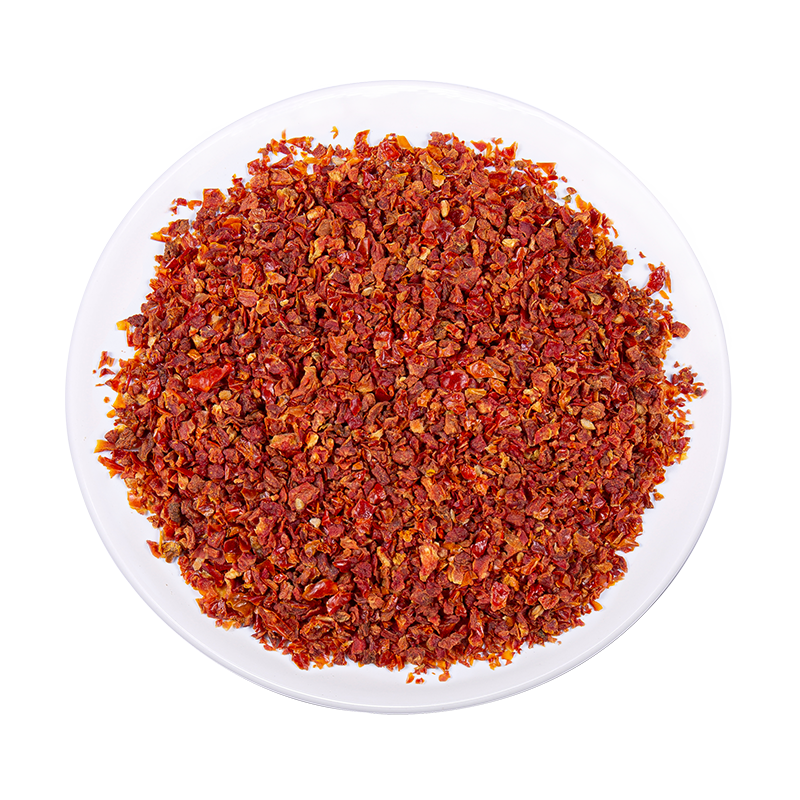
The most effective way to incorporate dehydrated green peppers into recipes is to rehydrate them before cooking or add them early in the cooking process. Rehydration allows dehydrated green pepper to regain moisture, restoring texture and unlocking its full flavor potential. In many cases, users who frequently work with dehydrated bell pepper products or explore dehydrating bell peppers techniques understand that pre-hydration significantly improves culinary outcomes.
For those learning how to dehydrate bell peppers or how to dehydrate red peppers at home, understanding the reverse process is equally important—proper rehydration ensures that dehydrated bell pepper behaves similarly to fresh ingredients in cooked dishes.
Rehydration Techniques and Best Practices
Hot Water Soaking
Hot water soaking is the most common method when working with dehydrated green pepper. A typical approach is to use a ratio of 1 part dehydrated green pepper to 3 parts warm water. This method is also widely applied when handling dehydrated bell pepper or dehydrated green peppers in bulk food preparation environments.
Direct Cooking Rehydration
When used directly in soups or sauces, dehydrated bell pepper and dehydrated green pepper pieces rehydrate during cooking. This approach is commonly used in commercial kitchens where dehydrated green peppers are added early to allow gradual flavor release.
Cold Water Soaking
Cold soaking is less common but useful in specific applications. It is sometimes preferred when working with dehydrated bell pepper in cold salads or recipes requiring a fresher flavor profile. The same principle applies whether you are handling dehydrated green pepper or experimenting with dehydrating red peppers for later use.
Flavor Release Mechanisms During Cooking
The flavor of dehydrated green pepper is concentrated during the dehydration process. When water is reintroduced, volatile compounds responsible for aroma and taste are released. This is particularly relevant for those who have experience with dehydrated green peppers or similar ingredients like dehydrated bell pepper, where controlled rehydration directly impacts flavor intensity.
Heat further accelerates flavor diffusion. Recipes that include dehydrated bell pepper or dehydrated green pepper benefit from slow simmering, allowing the ingredient to fully integrate into the dish. Similarly, understanding how to dehydrate bell peppers or how to dehydrate red peppers helps users anticipate how these flavors behave after rehydration.
Application in Different Types of Recipes
Dehydrated green pepper can be used across a wide range of recipes. Its versatility is comparable to dehydrated bell pepper and other related products created through dehydrating bell peppers or dehydrating red peppers processes.
- Soups and stews: Add dehydrated green peppers early to maximize rehydration and flavor extraction.
- Sauces: Pre-soak dehydrated bell pepper before blending into smooth sauces.
- Seasoning blends: Ground dehydrated green pepper can be used similarly to powdered dehydrated red peppers.
- Stuffing and fillings: Rehydrated dehydrated bell pepper ensures even moisture distribution.
Recommended Ratios and Usage Quantities
Proper ratios are essential when using dehydrated green pepper or dehydrated bell pepper in recipes. The following table summarizes recommended usage:
| Application | Ratio | Notes |
|---|---|---|
| Soups & Stews | 1:3 | Add early for full flavor |
| Sauces | 1:2 | Pre-soak recommended |
| Seasoning Mix | Dry | Can include dehydrated red peppers powder |
Common Mistakes to Avoid
- Adding dehydrated green pepper too late in cooking.
- Not using enough liquid when rehydrating dehydrated bell pepper.
- Over-soaking dehydrated green peppers, leading to diluted flavor.
- Ignoring differences between dehydrating red peppers and dehydrating bell peppers, which can affect final texture and flavor.
Enhancing Flavor Through Cooking Techniques
To maximize results, combine dehydrated green pepper with complementary techniques such as sautéing and slow cooking. Lightly sautéing rehydrated dehydrated bell pepper in oil helps release fat-soluble compounds, enhancing overall flavor.
Slow cooking methods exceeding 30 minutes allow dehydrated green peppers to fully integrate into the dish. This approach is especially effective in recipes that also incorporate dehydrated red peppers or other dried vegetables prepared through dehydrating bell peppers techniques.