English
 Français
 Español

Sep 15,2026
Culinary Craft — Pantry Essentials
A concentrated, chewy, deeply savory ingredient that quietly elevates everything from weeknight pasta to Sunday-morning focaccia — dried tomatoes reward those who understand how to use them.
Quick Answer: Top Culinary Uses for Dried Tomatoes
The best culinary uses for dried tomatoes include blending them into sauces and pestos, folding them into bread and focaccia dough, tossing them into pasta and salads, simmering them in soups and stews, and grinding them into a savory seasoning powder. Their concentrated umami flavor, low moisture content, and long shelf life make them one of the most versatile pantry ingredients for both everyday cooking and specialty baking. Whether you are working with oil-packed sun dried tomatoes or plain dehydrated tomatoes, the key to unlocking their flavor is proper rehydration and pairing them with complementary ingredients such as garlic, basil, olive oil, and hard cheeses.
Below, we break down exactly how to use dried tomatoes across different cooking and baking applications, along with practical ratios, storage advice, and comparisons to help you choose the right product for your recipe.
Rehydrating Dried Tomatoes for Cooking
Most dry-packed dehydrated tomatoes need to be rehydrated before use, unless they are being ground into a powder or added directly to a liquid-based dish like soup. Rehydration restores moisture and softens the texture so the tomatoes blend seamlessly into sauces, spreads, and baked goods.
Standard Rehydration Method
- Place the dried tomatoes in a heatproof bowl.
- Cover with boiling water or warm broth for added flavor.
- Let them soak for 15 to 20 minutes until pliable.
- Drain thoroughly and pat dry before chopping or blending.
Savory Cooking Applications
Dried tomatoes shine in savory cooking because their drying process concentrates natural sugars and glutamates, intensifying the umami flavor by roughly five to seven times compared to fresh tomatoes by weight. This makes even a small amount go a long way in a dish.
Pasta and Grain Dishes
Chopped sun dried tomatoes are a classic addition to pasta dishes, particularly when combined with olive oil, garlic, and fresh herbs. They also work well tossed into grain salads such as couscous, farro, or quinoa, where their chewy texture contrasts nicely with softer grains.
Sauces, Spreads, and Pestos
Blending rehydrated tomatoes with garlic, pine nuts, olive oil, and parmesan creates a rich sun dried tomato pesto that can be used as a pasta sauce, sandwich spread, or dip. This preparation is popular because it requires no cooking and can be stored in the refrigerator for later use.
A handful of dried tomatoes, blitzed with garlic and olive oil, can carry more flavor than an entire can of fresh ones.
Soups and Stews
Dehydrated tomatoes can be added directly to slow-cooked soups and stews, where the cooking liquid rehydrates them over time. This method works well for minestrone, lentil soup, and braised meat dishes, where the tomatoes contribute both texture and a deep, slightly sweet-tart flavor.
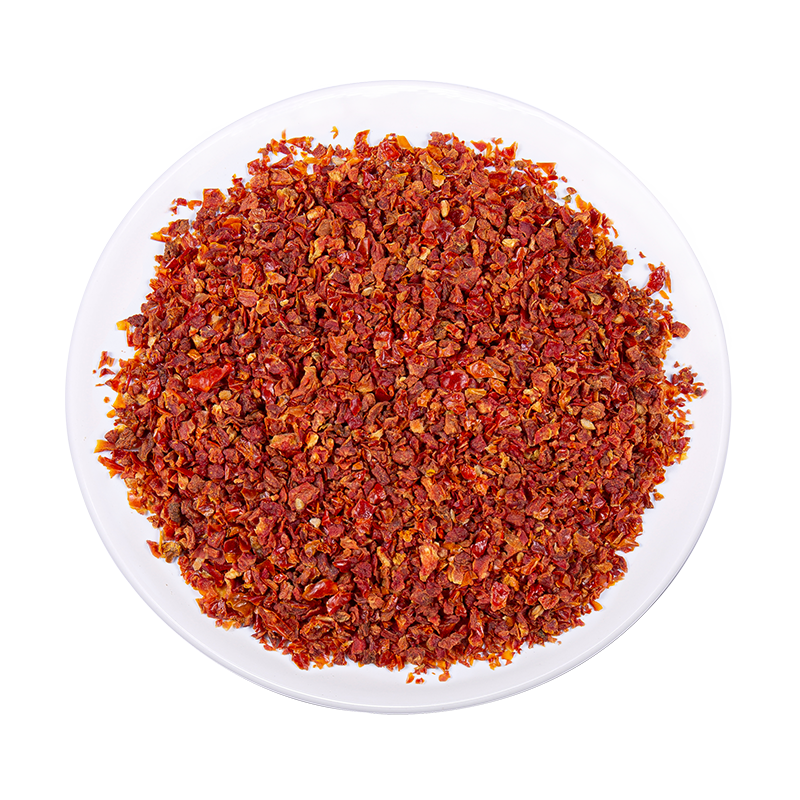
Dehydrated tomatoes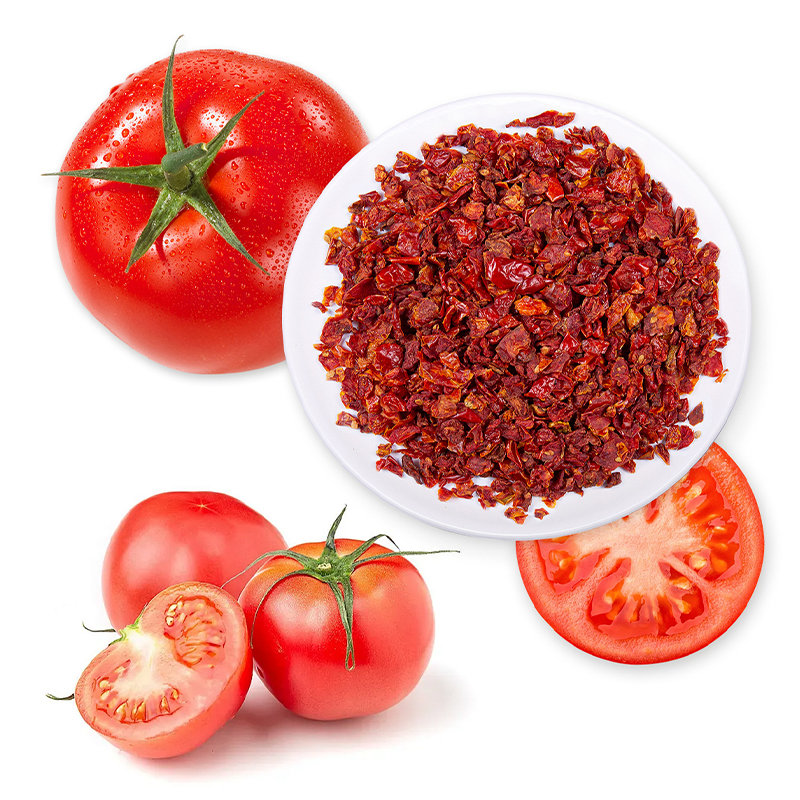
Salads and Appetizers
Sliced or julienned dried tomatoes add a chewy, flavor-packed element to green salads, antipasto platters, and cheese boards. They pair especially well with feta, mozzarella, and goat cheese, as well as olives and roasted peppers.
Baking with Dried Tomatoes
Beyond savory cooking, dried tomatoes are a popular addition to baked goods, where their low moisture content prevents excess liquid from affecting dough consistency. This makes them easier to incorporate into bread than fresh tomatoes, which can introduce too much water into the dough.
Breads and Focaccia
Chopped sun dried tomatoes are commonly folded into focaccia, ciabatta, and sourdough doughs, often alongside rosemary, olives, or parmesan. For best results, tomatoes should be finely chopped and lightly patted dry before mixing into the dough to avoid uneven hydration.
Savory Scones, Muffins, and Biscuits
Finely diced dehydrated tomatoes can be mixed into savory scone or muffin batter along with cheddar cheese and chives. Because dried tomatoes hold their shape during baking, they distribute evenly throughout the batter rather than sinking or bleeding color, which can happen with fresh tomatoes.
Crackers and Flatbreads
Ground or finely minced dried tomatoes can be worked directly into cracker and flatbread dough for a savory, slightly tangy flavor. This is a practical way to use smaller pieces or trimmings that are not suitable for slicing into larger dishes.
Savory Tarts and Galettes
Layered into savory tarts alongside caramelized onions, goat cheese, or ricotta, dried tomatoes add concentrated flavor without releasing excess liquid onto the pastry crust, which helps keep the base crisp during baking.
Oil-Packed vs Dry-Packed: Choosing the Right Type for Each Dish
Dried tomatoes are generally available in two forms: oil-packed and dry-packed. The choice between them affects how they should be used in a recipe.
Oil-packed sun dried tomatoes are already softened and ready to use straight from the jar, making them convenient for quick recipes like pasta, salads, and sandwiches. Dry-packed dehydrated tomatoes, on the other hand, require rehydration but are more versatile for baking, powders, and long-term pantry storage since they do not carry added oil or preservatives.
| Feature | Oil-Packed | Dry-Packed |
|---|---|---|
| Ready to Use | Yes | No, needs rehydration |
| Best For | Salads, pasta, sandwiches | Baking, powders, soups |
| Shelf Life | Shorter once opened | Longer, pantry-stable |
| Added Fat | Yes | No |
Creative Uses: Powders, Pestos, and Compound Butters
Beyond traditional applications, dried tomatoes can be transformed into specialty ingredients that extend their usefulness in the kitchen.
Tomato Powder
Grinding fully dehydrated tomatoes in a spice grinder produces a concentrated tomato powder that can be used to season soups, rubs, popcorn, or even homemade tomato paste by reconstituting it with a small amount of water.
Compound Butter
Finely minced sun dried tomatoes mixed into softened butter with garlic and herbs create a flavorful spread for bread, grilled meats, or roasted vegetables. This compound butter can be rolled into a log and frozen for later use.
Stuffings and Fillings
Chopped dried tomatoes are often combined with breadcrumbs, cheese, and herbs to create stuffings for chicken breasts, mushrooms, or bell peppers. Their chewy texture holds up well during roasting or baking without becoming mushy.
Practical Tips for Storage and Substitution
Proper storage directly affects how well dried tomatoes perform in cooking and baking. Dry-packed tomatoes should be kept in an airtight container in a cool, dark place, where they can last up to 12 months. Once opened, oil-packed varieties should be refrigerated and used within a few weeks to maintain freshness and prevent spoilage.
Substitution Ratios
- 1 cup fresh tomatoes ≈ 1/4 to 1/3 cup dried tomatoes after rehydration.
- 1 tablespoon tomato paste ≈ 2 tablespoons tomato powder mixed with a small amount of water.
- Oil-packed and dry-packed tomatoes can generally be substituted for one another if excess oil or rehydration liquid is adjusted accordingly.
Pairing Suggestions
Dried tomatoes pair particularly well with basil, oregano, garlic, olive oil, balsamic vinegar, parmesan, mozzarella, and pine nuts. These combinations appear frequently across Mediterranean-inspired recipes and can serve as a reliable starting point when developing new dishes.
Final Takeaway
Dried tomatoes are a highly adaptable ingredient suited for both savory cooking and baking. From pasta sauces and pestos to focaccia and savory scones, their concentrated flavor and long shelf life make them a practical addition to any kitchen. Choosing between sun dried tomatoes and dehydrated tomatoes ultimately depends on the specific recipe, with oil-packed varieties offering convenience and dry-packed options providing greater versatility for baking and long-term storage.