English
 Français
 Español

Sep 15,2026
Nutrition Science · Editorial
Do Dried Vegetables Lose Vitamins During the Drying Process?
A closer look at what survives dehydration, what doesn't, and how to make smarter choices about the produce in your pantry.
The short answer is: yes, dried and dehydrated vegetables do lose some vitamins during processing, but the losses are selective rather than total. Heat-sensitive and water-soluble vitamins, particularly vitamin C and certain B vitamins, degrade significantly during drying — often by 30% to 80% depending on the method used. However, fat-soluble vitamins like vitamin A (in the form of beta-carotene) and minerals such as potassium, iron, and calcium remain largely stable and can even become more concentrated by weight once the water is removed.
This means dehydrated vegetables aren't simply "less healthy" than fresh ones — they're nutritionally different. Understanding which nutrients survive and which don't helps you make smarter choices about when to rely on dried produce and when fresh or frozen options are worth the extra effort.
Why Drying Affects Vitamins Differently
Vitamins fall into two broad categories, and how they respond to dehydration depends heavily on which category they belong to.
Water-Soluble Vitamins Are the Most Vulnerable
Vitamin C and B-complex vitamins (especially thiamine, folate, and riboflavin) dissolve in water and break down when exposed to heat, light, and oxygen. Because drying vegetables typically involves prolonged heat exposure — whether through sun drying, oven drying, or commercial dehydrators — these vitamins degrade steadily throughout the process. Vitamin C losses of 50% or more are common in conventionally dried vegetables, since ascorbic acid is one of the most heat-labile compounds in the plant kingdom.
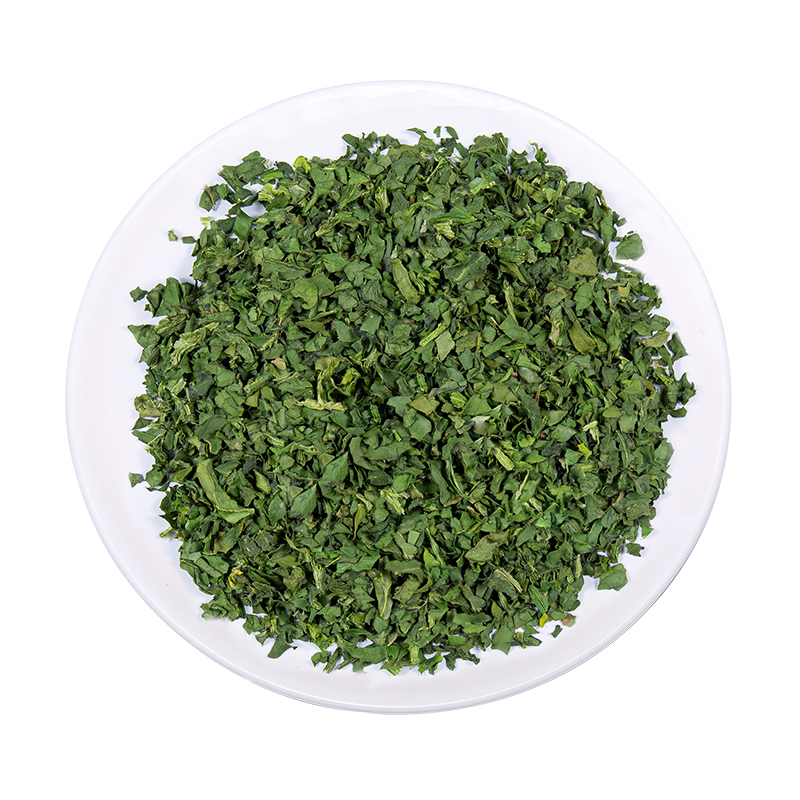
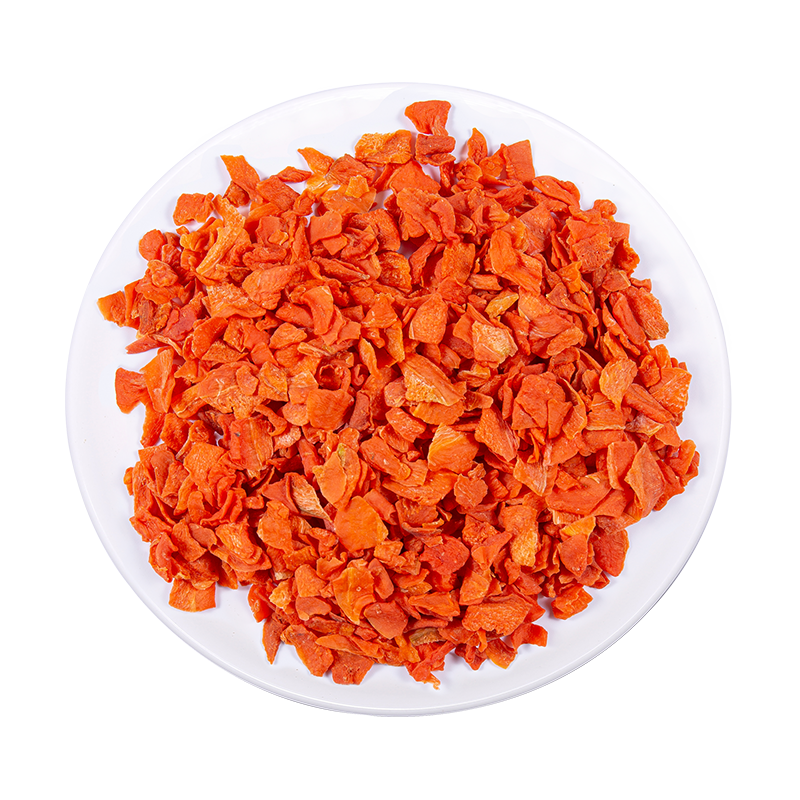
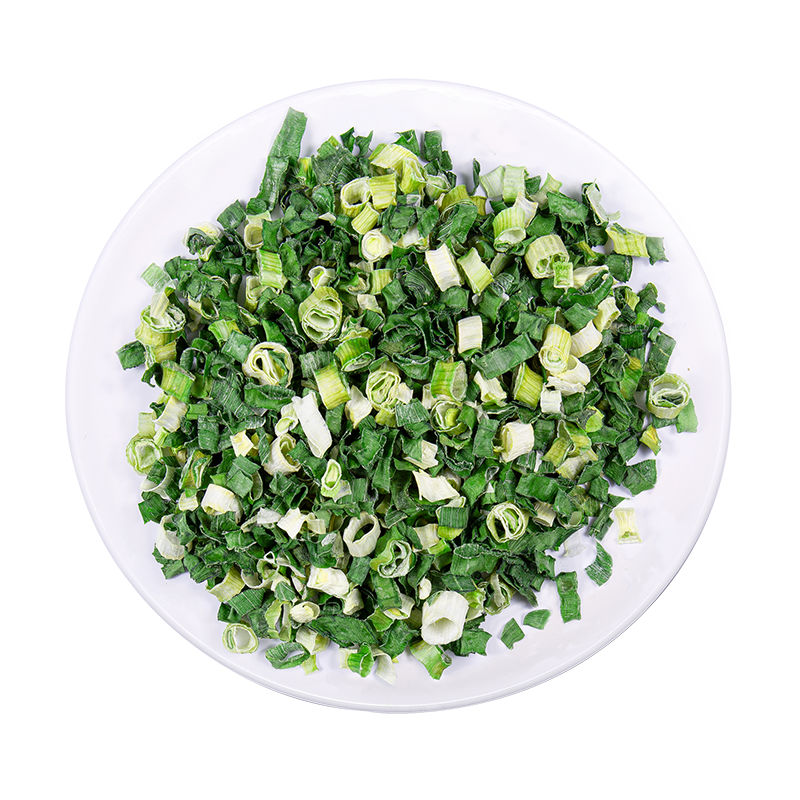
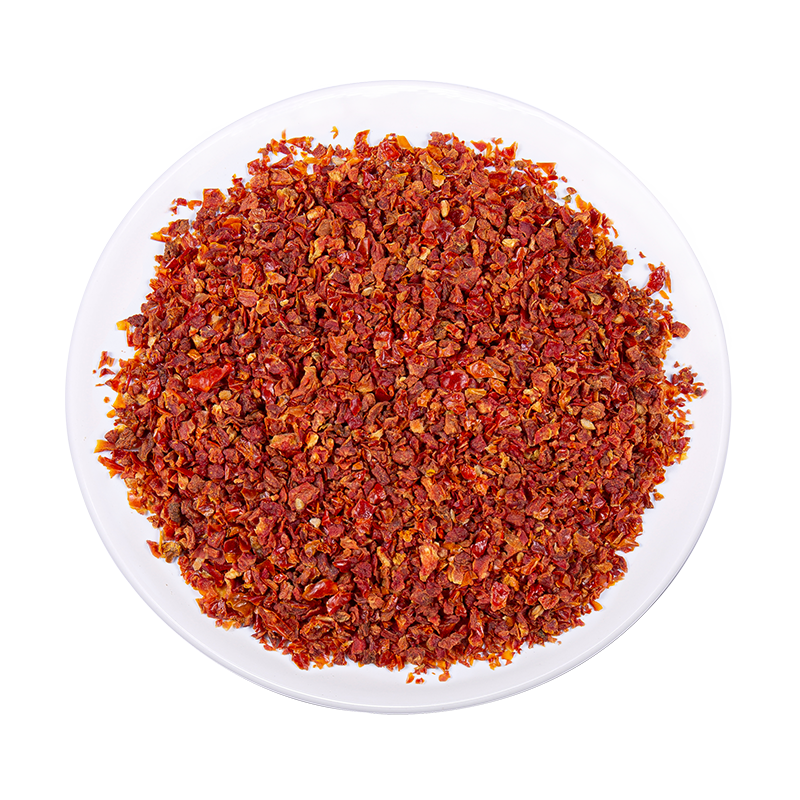
dried and dehydrated vegetables
Fat-Soluble Vitamins Hold Up Better
Vitamin A, vitamin E, and vitamin K are bound to fats and plant fibers, making them more resistant to heat and moisture loss. Beta-carotene, the precursor to vitamin A found in carrots, sweet potatoes, and squash, generally retains 70% to 90% of its original concentration after drying. Because water is removed but the carotenoid content stays roughly the same, the dried product often has a higher beta-carotene concentration per gram than the fresh vegetable did.
How Different Drying Methods Compare
Not all dehydration techniques treat nutrients equally. The method used has a direct impact on how many vitamins survive the process, and this is where freeze dried vegetables tend to outperform other approaches.
| Drying Method | Vitamin C Retention | Beta-Carotene Retention | Processing Time |
|---|---|---|---|
| Freeze Drying | 80–95% | 85–95% | 12–48 hours |
| Hot Air Dehydration | 30–60% | 70–85% | 4–12 hours |
| Sun Drying | 10–40% | 50–70% | 1–3 days |
Freeze drying works by freezing vegetables and then removing moisture through sublimation under vacuum, which avoids high heat almost entirely. This is why freeze dried vegetables typically retain the highest percentage of both vitamin C and beta-carotene compared to any other preservation method. Hot air dehydration, the most common commercial and home method, sits in the middle — it's efficient and shelf-stable but sacrifices more heat-sensitive nutrients. Sun drying, while low-cost and traditional, causes the greatest nutrient losses because of extended exposure to UV light, oxygen, and fluctuating temperatures.
Minerals and Fiber Are Largely Unaffected
While vitamins get most of the attention, minerals tell a different story. Potassium, magnesium, calcium, iron, and zinc are not destroyed by heat or the removal of water — they simply become more concentrated as the vegetable shrinks. For example, one cup of fresh chopped carrots contains roughly 410 mg of potassium, but the equivalent dried weight can contain over 1,000 mg per cup due to volume reduction.
Dietary fiber survives the drying process almost completely intact, since fiber is structural and not sensitive to heat or moisture loss.
This makes dried and dehydrated vegetables a genuinely useful way to boost fiber and mineral intake, particularly for people who struggle to eat enough fresh produce on a regular basis.
Does Storage Time Cause Further Vitamin Loss?
Yes — vitamin degradation doesn't stop once the drying process ends. Exposure to oxygen, light, and humidity during storage continues to erode nutrient content over time, especially vitamin C and certain B vitamins.
- Vegetables stored in airtight, opaque containers retain nutrients significantly longer than those in clear or loosely sealed packaging.
- Storage at cool, stable temperatures (below 70°F or 21°C) slows oxidation reactions that break down vitamins.
- Most properly dried vegetables lose an additional 10% to 20% of their vitamin C content within the first six months of storage, even under good conditions.
- Vacuum-sealed or freeze dried vegetables tend to hold nutrients longer than air-exposed dehydrated products because oxygen is the primary driver of vitamin breakdown.
This is a practical reason to buy dried vegetables in smaller quantities you'll use within a reasonable timeframe, rather than stockpiling large amounts that sit for a year or more before consumption.
How to Minimize Vitamin Loss When Drying Vegetables at Home
If you're dehydrating vegetables yourself, several practical steps can meaningfully reduce nutrient loss.
- Blanch vegetables briefly before drying to deactivate enzymes that would otherwise continue degrading vitamins even after moisture is removed.
- Dry at the lowest effective temperature — typically 125°F to 135°F (52°C to 57°C) for most vegetables — to reduce heat-driven vitamin breakdown.
- Cut vegetables into uniform, moderately sized pieces so drying time is minimized without needing excessive heat.
- Store finished vegetables immediately in airtight containers away from light to prevent ongoing oxidative loss.
- Consider a home freeze-drying unit if vitamin retention is a priority, since this method consistently outperforms conventional dehydrators.
Good to know
These steps won't eliminate nutrient loss entirely, but they can meaningfully close the gap between fresh and dried produce, particularly for beta-carotene, potassium, and fiber content.
Are Dehydrated Vegetables Still Worth Eating?
Despite the vitamin C losses, dehydrated vegetables remain a nutritionally valuable food for several practical reasons. They provide a shelf-stable, lightweight, and calorie-efficient way to include vegetables in a diet, especially for people who travel frequently, live in areas with limited fresh produce access, or want backup food storage that doesn't spoil quickly.
Because dried vegetables retain most of their fiber, minerals, and a meaningful portion of fat-soluble vitamins, they can supplement — though not fully replace — fresh vegetable intake. Pairing dried vegetables with fresh sources of vitamin C, such as citrus fruit or fresh peppers, can help offset the losses that occur during dehydration.
Best practice
The healthiest approach is viewing dried and dehydrated vegetables as a complement to fresh produce rather than a direct substitute. Rotating between fresh, frozen, and dried options — and leaning toward freeze dried vegetables when vitamin retention matters most — gives you the practical benefits of shelf stability without sacrificing overall nutritional quality.
Key Takeaways
Drying vegetables does reduce certain vitamins, particularly vitamin C and B-complex vitamins, while minerals, fiber, and fat-soluble vitamins like vitamin A remain largely stable. The drying method matters more than most people realize — freeze drying preserves significantly more nutrients than hot air dehydration or sun drying, making it the best option when vitamin content is a priority. Proper storage in airtight, opaque, cool conditions further protects the nutrients that survive processing. Ultimately, dried and dehydrated vegetables aren't a downgrade from fresh produce; they're a different nutritional profile with genuine strengths in mineral density, fiber content, and shelf life, making them a practical addition to a balanced diet when used alongside fresh and frozen options.