English
 Français
 Español

Sep 15,2026
When comparing shelf life across pepper preservation methods, dried red pepper lasts significantly longer than fresh red pepper and comes close to — but generally falls short of — freeze-dried alternatives. A properly stored dried red pepper can remain usable for 1 to 3 years, while fresh red pepper spoils within 1 to 2 weeks in the refrigerator. Freeze-dried red pepper, by contrast, can last up to 25 years under optimal conditions. Understanding these differences helps buyers, chefs, and food manufacturers make smarter sourcing decisions — especially when shelf stability is a priority in product formulation or household stocking.
Shelf Life of Fresh Red Pepper: The Baseline
Fresh red pepper is highly perishable. Once harvested, its clock starts ticking rapidly due to its high water content — typically around 92% moisture. Here is what you can realistically expect:
- At room temperature: 3 to 5 days before noticeable softening and spoilage
- Refrigerated (35–40°F / 2–4°C): 1 to 2 weeks
- Frozen whole: up to 10 to 12 months, though texture degrades significantly upon thawing
The short shelf life of fresh red pepper creates major challenges for supply chains, restaurants with low pepper turnover, and households in regions where fresh peppers are seasonal or expensive. It is precisely this limitation that drove the widespread adoption of dried vegetables as a preservation method across cultures for centuries.
Shelf Life of Dried Red Pepper: A Practical Middle Ground
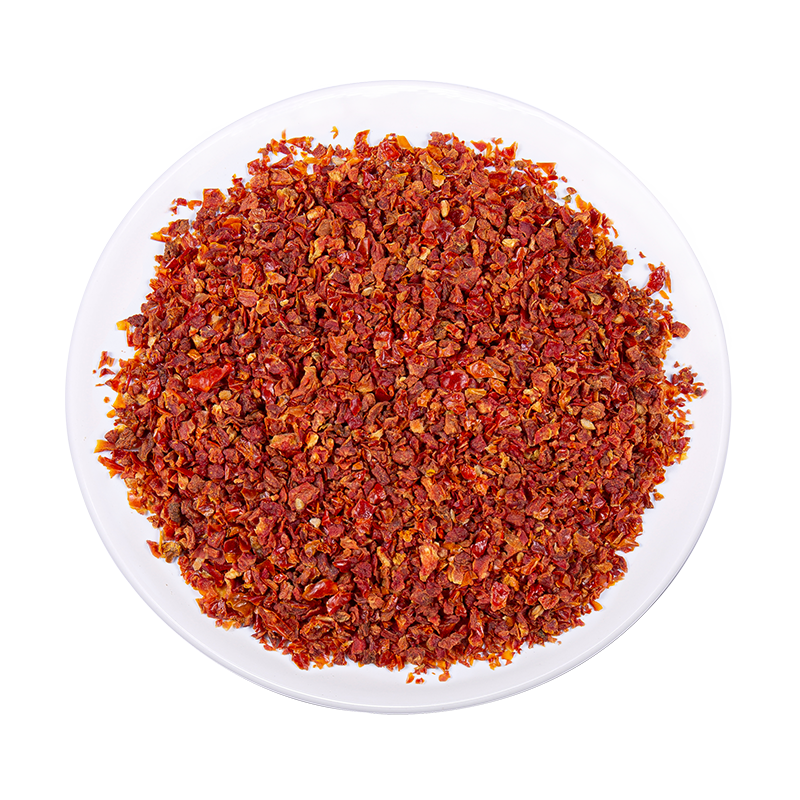
The drying process removes the majority of moisture from red peppers — typically reducing moisture content to below 12% — which dramatically inhibits microbial growth and enzymatic decay. This is the core mechanism behind why dried red pepper lasts so much longer than its fresh counterpart.
Typical Shelf Life Ranges
- Whole dried red pepper (airtight container, cool dark storage): 2 to 3 years
- Crushed red pepper flakes: 1 to 2 years at peak flavor
- Ground dried red pepper powder: 1 year for optimal potency, up to 2 years if sealed
It is worth noting that dried red pepper does not "go bad" in a dangerous sense after these windows — it simply loses color intensity, aroma, and capsaicin potency. Whole forms consistently outlast crushed or ground forms because less surface area is exposed to oxygen and light. This principle applies broadly across the dehydrated pepper category, whether you are working with cayenne, ancho, or bird's eye varieties.
Factors That Affect Dried Red Pepper Shelf Life
- Moisture exposure: Even brief contact with humidity can reintroduce microbial risk and cause clumping
- Light: UV exposure degrades capsanthin, the pigment responsible for red color
- Temperature fluctuations: Consistent cool storage (below 68°F / 20°C) extends viability
- Packaging type: Vacuum-sealed or nitrogen-flushed packaging can extend shelf life by an additional 6 to 12 months compared to standard resealable pouches
Shelf Life of Freeze-Dried Red Pepper: The Long-Term Champion
Freeze-drying (lyophilization) is a more advanced preservation method that removes moisture through sublimation — converting ice directly to vapor under vacuum conditions — without applying heat. This process reduces moisture to as low as 1 to 4%, compared to the 8 to 12% typical of conventionally dried red pepper.
The result is a dramatically extended shelf life:
- Freeze-dried red pepper in sealed mylar bags with oxygen absorbers: 20 to 25 years
- Opened freeze-dried red pepper stored in airtight containers: 1 to 2 years (similar to conventional dried pepper once exposed to air)
Freeze-dried red pepper also rehydrates more completely and quickly than conventionally dried versions, recovering closer to its original texture — making it popular in emergency food supply kits, backpacking meals, and premium fruit and vegetable powders manufacturing where nutrient and color retention are critical quality metrics.
Direct Comparison: Shelf Life at a Glance
| Pepper Type | Moisture Content | Shelf Life (Sealed) | Shelf Life (Opened) | Texture After Rehydration |
|---|---|---|---|---|
| Fresh Red Pepper | ~92% | 1–2 weeks (refrigerated) | 3–5 days | N/A |
| Dried Red Pepper (whole) | 8–12% | 2–3 years | 1–2 years | Moderate |
| Dried Red Pepper (ground) | 8–12% | 1–2 years | 6–12 months | Low |
| Freeze-Dried Red Pepper | 1–4% | 20–25 years | 1–2 years | Excellent |
Cost vs. Longevity: Is Freeze-Dried Always Better?
While freeze-dried red pepper clearly dominates in raw shelf life, the cost difference is substantial. Freeze-dried red pepper typically costs 3 to 5 times more per gram than conventionally dried red pepper. For most everyday culinary applications — seasoning dishes, making spice blends, or producing dehydrated pepper-based condiments — the 2 to 3-year window of standard dried red pepper is more than adequate.
Freeze-dried red pepper makes the most economic sense in contexts where:
- Long-term food storage or emergency preparedness is the primary goal
- Maximum nutrient and color fidelity is required (e.g., in premium fruit and vegetable powders or nutraceutical applications)
- Rehydration to near-fresh texture is a functional requirement
For commercial food producers, industrial kitchens, and spice importers dealing in large volumes of dried vegetables, standard air-dried or sun-dried red pepper remains the most cost-efficient solution with a shelf life that easily accommodates typical supply chain cycles.
How to Maximize the Shelf Life of Your Dried Red Pepper
Regardless of which format you choose, proper storage is the single biggest variable within your control. Follow these practical guidelines:
- Store in airtight containers — glass jars with rubber-sealed lids or vacuum-sealed bags are ideal
- Keep away from heat sources — avoid storing above stoves or near ovens; a pantry or cabinet below 68°F (20°C) is optimal
- Block light exposure — use opaque containers or store in a dark space to prevent capsanthin degradation
- Never introduce moisture — always use dry utensils; avoid shaking over a steaming pot
- Buy whole, grind as needed — purchasing dried red pepper in whole form and grinding it yourself preserves flavor and potency far longer than pre-ground products
Following these steps can push a standard dried red pepper's usable life toward the upper end of its range — and in some cases beyond it, especially for whole peppers stored in vacuum-sealed packaging.
Final Verdict: Which Should You Choose?
Dried red pepper is the practical choice for the vast majority of users — offering a shelf life that is roughly 50 to 100 times longer than fresh red pepper, at a fraction of the cost of freeze-dried alternatives. It fits seamlessly into spice racks, industrial spice blending operations, and the broader world of dried vegetables used in soups, sauces, marinades, and ready-to-eat meals.
Freeze-dried red pepper earns its premium price in specialized scenarios — long-term storage, premium ingredient applications, and high-fidelity rehydration use cases. Fresh red pepper, while unbeatable in flavor brightness and texture for immediate cooking, simply cannot compete on longevity or convenience.
If you are sourcing ingredients for consistent, year-round use — whether in a home kitchen or a commercial production facility working with dehydrated pepper products — dried red pepper delivers the best balance of shelf stability, flavor concentration, and value.