English
 Français
 Español

Sep 15,2026
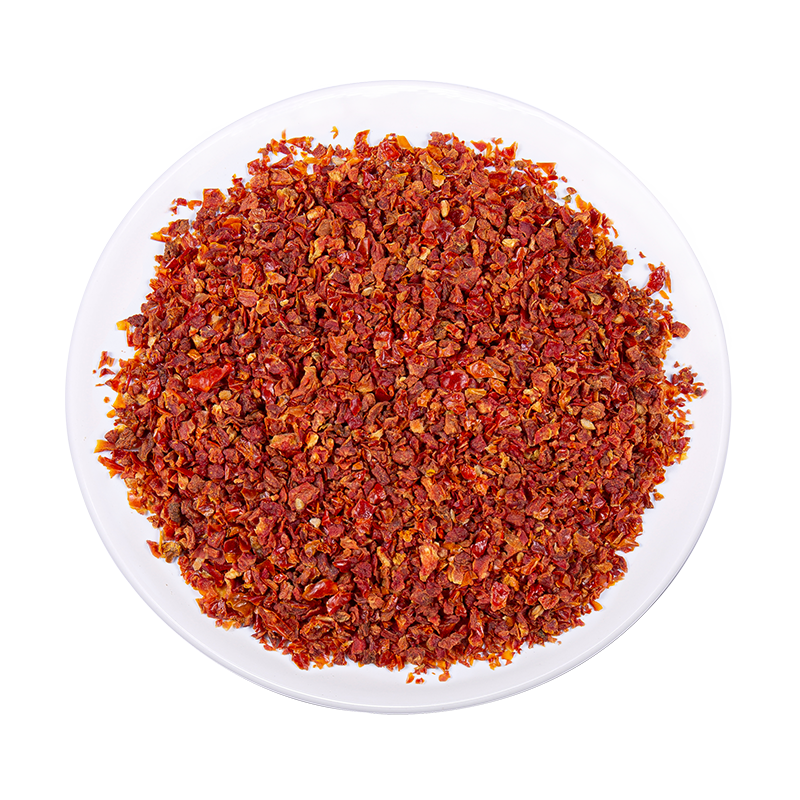
The dehydration process significantly influences both the color and aroma of dehydrated red pepper. Color changes occur due to pigment degradation, particularly carotenoids, while aroma is affected by the loss or transformation of volatile compounds. High temperatures can lead to dull or brownish tones and reduced freshness in aroma, whereas controlled, low-temperature drying preserves vibrant red color and characteristic sweet-pepper fragrance.
Key Pigments Responsible for Color in Dehydrated Red Pepper
The bright red color of dehydrated red pepper is mainly due to carotenoid pigments such as capsanthin and capsorubin. These compounds are sensitive to heat, oxygen, and light exposure during dehydration.
- Capsanthin contributes up to 60–70% of the red pigment intensity.
- Oxidation during drying can degrade these pigments, leading to faded or brown hues.
- Enzymatic reactions prior to drying may also impact final color quality.
Effect of Drying Temperature on Color Retention
Temperature is one of the most critical variables in preserving the visual quality of dehydrated red pepper. Excessive heat accelerates pigment breakdown, resulting in darker or uneven coloration.
| Drying Temperature | Color Outcome | Quality Impact |
|---|---|---|
| Below 50°C | Bright red | High quality |
| 50–70°C | Slight fading | Moderate quality |
| Above 70°C | Brownish-red | Lower quality |
Aroma Compounds and Their Sensitivity to Dehydration
The aroma of dehydrated red pepper is composed of volatile compounds such as aldehydes, alcohols, and esters. These compounds are highly sensitive to heat and air exposure.
Up to 30–50% of volatile aroma compounds can be lost during high-temperature drying. This results in a less fresh and less sweet aroma compared to fresh peppers.
Comparison of Drying Methods and Their Effects
Different dehydration methods produce varying effects on the color and aroma of dehydrated red pepper.
- Hot air drying: Most common, but may cause color fading and aroma loss.
- Freeze drying: Preserves up to 90% of color and aroma, but is more expensive.
- Sun drying: Cost-effective but inconsistent quality due to environmental factors.
- Vacuum drying: Reduces oxidation, helping retain both color and aroma.
Role of Oxygen and Light Exposure
Oxygen and light significantly accelerate degradation processes in dehydrated red pepper. Oxidative reactions can reduce pigment concentration and alter aroma compounds, leading to stale or off-flavors.
Minimizing exposure during and after drying is essential for maintaining product quality. This is why industrial processes often use controlled atmospheres or vacuum conditions.
Practical Tips to Preserve Color and Aroma
Users and manufacturers can take several steps to maintain the quality of dehydrated red pepper:
- Use low-temperature drying methods whenever possible.
- Store dehydrated red pepper in airtight, opaque containers.
- Avoid prolonged exposure to heat and sunlight during storage.
- Choose high-quality products processed with advanced drying technologies.
The dehydration process plays a decisive role in determining the visual and sensory quality of dehydrated red pepper. Careful control of temperature, oxygen, and drying method can preserve vibrant color and rich aroma, while poor conditions lead to significant degradation.
For users, understanding these factors enables better purchasing decisions and improved culinary outcomes. For producers, optimizing dehydration parameters is essential to deliver high-quality dehydrated red pepper that meets both aesthetic and flavor expectations.