English
 Français
 Español

Apr 30,2026
Direct Comparison of Flavor Intensity
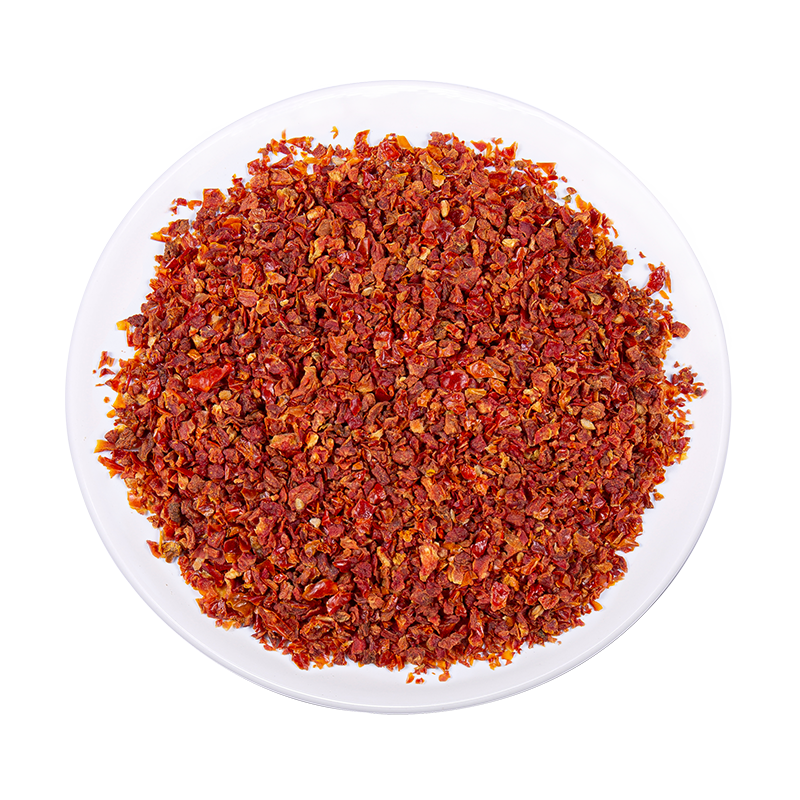
The flavor intensity of dehydrated red pepper is generally stronger and more concentrated than that of fresh red peppers, while roasted red peppers tend to have a sweeter, caramelized flavor. Dehydration removes water content, concentrating both the natural sugars and capsaicin, which are responsible for heat and pungency. In practical terms, one teaspoon of dehydrated red pepper can deliver the flavor equivalent of about half a fresh red pepper in a dish.
Chemical Basis of Flavor Differences
The flavor differences among dehydrated, fresh, and roasted red peppers can be traced to their chemical composition. Fresh red peppers contain about 92% water which dilutes both the sugar and capsaicin content. Dehydrated red peppers have less than 10% water, intensifying the concentration of flavor compounds. Roasting, on the other hand, triggers Maillard reactions that convert sugars and amino acids into complex aromatic compounds, creating a smoky-sweet profile that is distinct from the sharper heat of dehydrated peppers.
Comparative Heat Levels
Capsaicin, the compound responsible for spiciness, varies significantly among dehydrated, fresh, and roasted red peppers. The dehydration process preserves capsaicin while reducing water content, making dehydrated red pepper approximately 20% hotter per gram than fresh peppers. Roasted red peppers may lose some capsaicin during cooking, reducing heat slightly while enhancing sweetness. For instance, if fresh red peppers rate 1000 Scoville Heat Units (SHU), dehydrated red peppers of the same variety may register around 1200 SHU per gram.
Impact on Aroma and Taste
Dehydrated red peppers have a more intense and concentrated aroma than fresh peppers because volatile compounds are preserved and intensified. Roasted peppers develop a rich, smoky aroma that enhances savory dishes. Using dehydrated red pepper in sauces, soups, or spice blends adds a punchy flavor that can elevate dishes without adding moisture, while roasted peppers contribute a more rounded, savory-sweet profile ideal for grilling and purees.
Rehydration Effects on Flavor
When rehydrated, dehydrated red peppers regain some texture but retain most of their concentrated flavor. Soaking in water for 20–30 minutes or simmering in a sauce can soften the peppers while preserving their enhanced pungency and sweetness. Compared to roasted peppers, which are already tender, rehydrated dehydrated peppers provide flexibility in recipes requiring precise flavor control without altering the dish’s moisture balance.
Culinary Applications and Recommendations
Dehydrated red pepper is ideal for recipes that require intense flavor without added water, such as spice rubs, sauces, soups, and seasoning blends. Roasted peppers are better for dishes emphasizing natural sweetness and texture, such as grilled vegetables, dips, and purees. Fresh peppers are versatile for raw dishes and light cooking where subtlety is desired. Chefs often combine dehydrated and roasted peppers to balance heat and sweetness.
Flavor Comparison Table
| Type of Pepper | Flavor Intensity | Heat Level (SHU) | Aroma Profile |
|---|---|---|---|
| Dehydrated Red Pepper | Strong, concentrated | High (~1200 SHU) | Pungent, earthy |
| Fresh Red Pepper | Mild, subtle | Moderate (~1000 SHU) | Fresh, vegetal |
| Roasted Red Pepper | Sweet, mellow | Moderate (~900 SHU) | Smoky, caramelized |
Dehydrated red pepper offers the most concentrated and intense flavor among the three forms, making it ideal for dishes requiring heat and bold taste. Fresh peppers provide subtle, natural flavors, while roasted peppers add sweetness and complexity. Understanding these differences allows cooks and chefs to choose the right form of red pepper to achieve the desired flavor profile and intensity in their recipes.