English
 Français
 Español

Jan 26,2026
Temperature Control
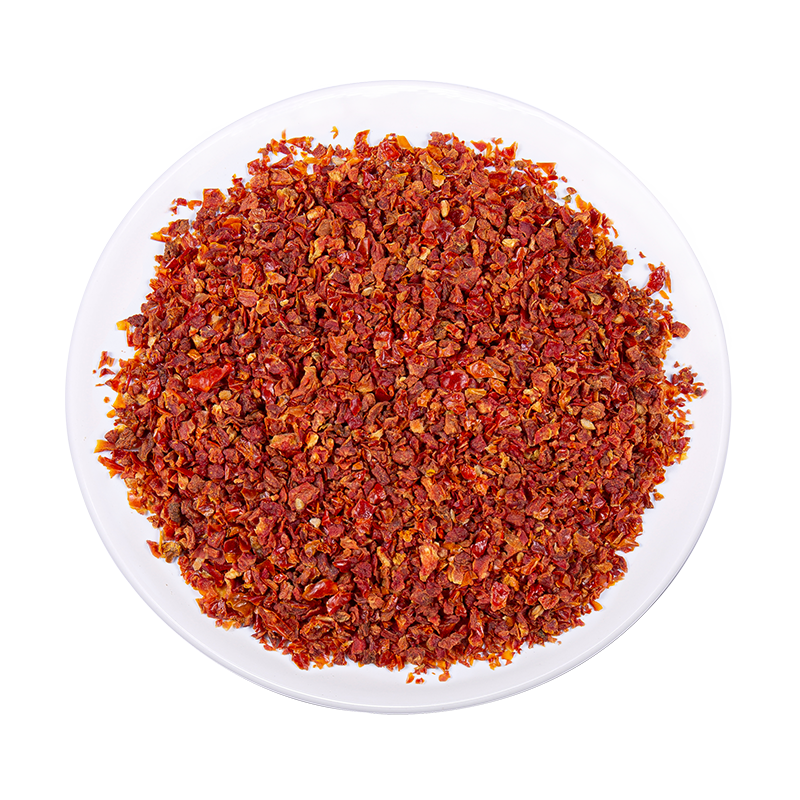
Maintaining the proper storage temperature is critical for preserving the quality of Dehydrated Tomato over time. Ideally, it should be stored in a cool, dry environment between 10–25°C (50–77°F). Elevated temperatures accelerate chemical reactions such as Maillard browning and enzymatic activity, which can degrade carotenoids like lycopene and alter the natural red color. Prolonged exposure to heat also contributes to the loss of volatile compounds responsible for the tomato’s characteristic aroma and taste, resulting in a diminished flavor profile. In industrial settings, climate-controlled warehouses equipped with consistent temperature regulation are recommended, especially for bulk storage. For home use, a cool pantry away from ovens, stoves, and direct sunlight ensures that thermal fluctuations do not compromise the product’s integrity. Proper temperature control reduces oxidative and enzymatic degradation, ensuring that the Dehydrated Tomato maintains its sensory and nutritional qualities for the duration of its shelf life.
Humidity and Moisture Management
Dehydrated Tomato is sensitive to moisture, despite its low water activity (aw), which naturally limits microbial growth. Exposure to ambient humidity can result in partial rehydration, causing the pieces to soften, stick together, or become mold-prone over time. To maintain shelf stability, storage areas should maintain a relative humidity below 60%. Airtight containers, vacuum-sealed bags, or moisture-proof packaging are highly recommended, particularly in humid climates. For industrial storage, pallets can include desiccant packs to absorb residual moisture and prevent condensation within boxes. Proper moisture control preserves the natural texture, prevents clumping, and maintains the tomato’s flavor concentration. Even minor moisture infiltration can accelerate enzymatic or microbial spoilage, making humidity management an essential aspect of quality assurance for both commercial and household applications.
Light Protection
Light exposure is another factor that can degrade Dehydrated Tomato over time. Ultraviolet (UV) rays and strong artificial lighting can break down carotenoids and other pigments, causing the tomato pieces to fade from bright red to a duller hue. In addition, light exposure accelerates oxidation of essential oils and aromatic compounds, reducing the intensity of the tomato’s flavor and aroma. To prevent these effects, Dehydrated Tomato should be stored in opaque, UV-protective packaging, or in a dark storage area away from windows and fluorescent lighting. For bulk storage, pallets should be placed in enclosed or shaded sections of warehouses. Proper light management not only preserves the visual appeal of the product for retail display but also contributes to maintaining the full sensory profile desired by chefs, manufacturers, and consumers.
Air and Oxidation Control
Oxygen is a key factor in oxidative degradation, which can negatively affect the color, flavor, and nutritional content of Dehydrated Tomato. Exposure to air allows for oxidation of carotenoids, phenolic compounds, and natural sugars, potentially leading to off-flavors and diminished antioxidant properties. To minimize oxidation, Dehydrated Tomato should be stored in airtight containers, vacuum-sealed bags, or nitrogen-flushed packaging. After opening, transferring the contents to resealable containers ensures continued protection against air exposure. In industrial or commercial applications, high-barrier packaging films with low oxygen transmission rates are preferred. These measures preserve both the natural color and flavor intensity, extending the functional shelf life of the product for culinary, food processing, or retail use.
Proper Handling and Stock Rotation
Handling practices are equally important in maintaining quality. Dehydrated Tomato should be moved carefully to avoid crushing or breaking the pieces, which increases surface area and accelerates oxidation. Boxes and containers should not be subjected to repeated mechanical stress during transport or storage. Implementing first-in, first-out (FIFO) rotation ensures that older stock is used before newer inventory, maintaining consistent freshness for consumers. Pallets should be stored off the floor on shelves or racks to prevent accidental moisture contact from spills or condensation. Proper handling combined with strategic stock rotation ensures that each batch of Dehydrated Tomato retains its intended texture, flavor, and appearance throughout its shelf life.