English
 Français
 Español

Feb 24,2026
Retention of Natural Flavor
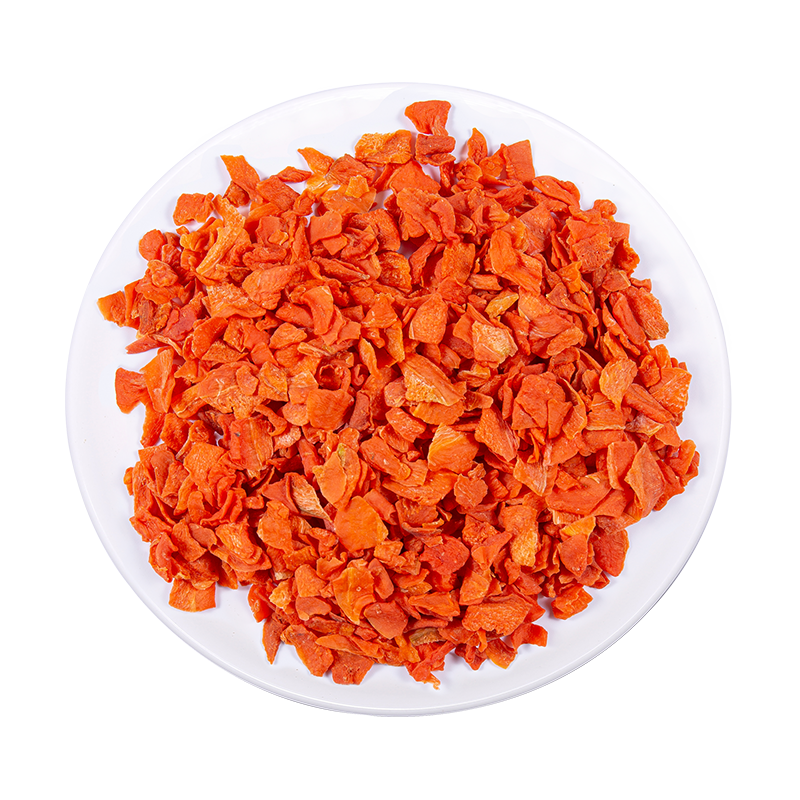
During the dehydration process, the moisture in the carrot is removed, which helps to concentrate its flavors. The natural sweetness and earthy notes of the carrot are typically preserved because dehydration does not involve high heat or chemicals that might alter the carrot's core taste. In fact, dehydrated carrots can sometimes have a slightly sweeter or more intense flavor than fresh carrots, as the removal of water leads to the concentration of sugars and natural compounds. This makes dehydrated carrots an excellent option for adding depth of flavor in dishes like soups, stews, or snacks where a more concentrated carrot flavor is desirable.
Changes in Flavor After Rehydration
When Dehydrated Carrot is rehydrated, it regains much of its original flavor, though some subtle differences may occur. The rehydration process, which typically involves soaking the dried carrot in water, allows it to absorb moisture and swell back to its original size. While the flavor becomes closer to that of fresh carrots, some users might notice that dehydrated carrots may not be as crisp and juicy as their fresh counterparts once rehydrated. The texture might be slightly softer, which can influence the overall eating experience. However, the flavor profile itself remains quite close, with the sweetness and earthiness of the carrot still present, though some individuals may find that the flavor is a bit more mellow or subdued compared to fresh carrots.
Concentration of Flavor
Because dehydration removes moisture, Dehydrated Carrot tends to have a more concentrated taste, which can be a benefit in many applications. In dishes where the carrot’s flavor needs to shine through, like in purees or carrot-based sauces, the dehydrated form can provide a richer, more potent flavor. This concentration of flavor can also be particularly beneficial for long-term storage of the carrot’s flavor, making it ideal for applications where fresh carrots may not be easily accessible or have a limited shelf life.
Considerations During Rehydration
The method used to rehydrate the carrots also plays a role in how well the flavor is restored. If rehydrated in cold water, the carrots may take longer to soften and release their flavor, while hot water may speed up the process and help the carrots regain their texture and taste more quickly. Additionally, adding seasonings or soaking the carrots in broth instead of water can enhance their flavor when rehydrated, making them more vibrant and similar to their fresh form.
Textural Differences
A significant difference between fresh and rehydrated dehydrated carrots is the texture. Fresh carrots are crisp and firm, with a satisfying crunch. In contrast, even after rehydration, dehydrated carrots can be somewhat softer and less crunchy. This is particularly noticeable in dishes where the carrot's crispness is important, such as in salads or raw preparations. However, for cooked dishes where the focus is more on flavor than texture, these differences are less noticeable.