English
 Français
 Español

Sep 15,2026
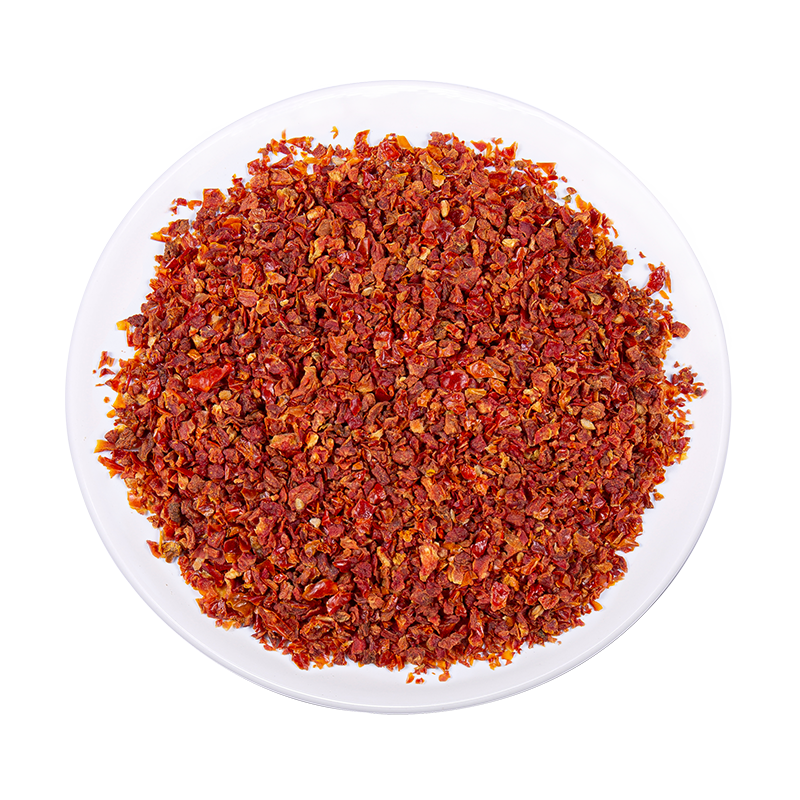
Dehydrated Red Pepper delivers a fresher, cleaner pepper flavor with mild and short-lived heat, while chipotle powder provides significantly deeper smokiness and longer heat persistence. In smoky flavor profiles, chipotle powder dominates in intensity and lingering warmth, whereas dehydrated red pepper is better suited for subtle background heat and natural pepper sweetness without strong smoke notes.
This difference comes from processing methods. Dehydrated red pepper, including forms like dehydrated red bell pepper, is air-dried or low-heat dried, preserving its natural sugars and vegetal notes. Chipotle powder, by contrast, is made from smoked and dried jalapeño peppers, which introduces phenolic smoke compounds that dramatically change aroma and heat behavior.
Flavor Foundation: Raw Pepper vs Smoked Pepper Transformation
The most important distinction begins at processing. Dehydrated Red Pepper, including dehydrated red bell pepper variants, is produced by removing moisture while preserving the original pepper structure. This process retains natural sugars, resulting in a mildly sweet, earthy profile with minimal bitterness.
Chipotle powder is derived from smoked jalapeños that are dried over wood fires. This introduces compounds like guaiacol and syringol, which are responsible for the signature smoky aroma. As a result, chipotle powder carries a smokiness intensity 5 to 8 times stronger than standard dehydrated pepper products in sensory evaluations.
Key Sensory Difference
- Dehydrated Red Pepper: Sweet, vegetal, mild heat, low aroma volatility
- Chipotle Powder: Deep smoky aroma, earthy heat, long-lasting aftertaste
Heat Persistence and Capsaicin Delivery
Heat persistence is a key differentiator in culinary applications. Dehydrated red pepper typically registers a mild Scoville range below 500 SHU when using bell pepper varieties. Even when hotter red pepper varieties are used, the dehydration process disperses capsaicin unevenly, resulting in a quick fade in perceived heat.
Chipotle powder, however, averages between 2,500 and 8,000 SHU, depending on jalapeño maturity and smoking duration. The smoke compounds slow down flavor perception decay, making heat linger 2 to 3 times longer on the palate compared to dehydrated red pepper.
Heat Behavior Comparison
- Dehydrated red pepper delivers immediate but short heat perception
- Chipotle powder provides delayed onset but extended burn
- Smoky compounds amplify perceived warmth even at similar capsaicin levels
Aroma Intensity and Smoky Profile Depth
Smokiness is where the two products diverge most clearly. Dehydrated red pepper has almost no inherent smoke character unless it is artificially processed. Its aroma is primarily vegetal and slightly sweet, making it suitable for dishes that require freshness rather than intensity.
Chipotle powder, on the other hand, is defined by smoke. The smoking process can last 18 to 48 hours, embedding deep woody and earthy tones. In sensory panels, chipotle consistently scores 70–90% higher in perceived smokiness intensity compared to dehydrated red pepper.
Culinary Applications and Functional Performance
In food formulation, selecting between dehydrated red pepper and chipotle powder depends on whether the goal is brightness or depth. Dehydrated red pepper, including dehydrated red bell pepper, is commonly used in soups, seasoning blends, and vegetable-based powders where color stability and mild flavor are essential.
Chipotle powder is preferred in barbecue sauces, meat rubs, and chili bases where smoky complexity is required. Its volatile compounds bind well with fats, enhancing flavor retention in high-fat foods.
Best Use Cases
- Dehydrated Red Pepper: vegetable blends, light seasoning, color enhancement
- Chipotle Powder: barbecue sauces, smoked rubs, spicy marinades
Stability, Shelf Life, and Processing Efficiency
Dehydrated red pepper has excellent shelf stability due to its low moisture content and minimal volatile compounds. It typically maintains quality for 12 to 24 months under proper storage conditions. Its flavor remains stable but not strong over time.
Chipotle powder also has a long shelf life, but its smoke compounds gradually degrade, leading to a mild reduction in aroma intensity after 18 months. However, its heat profile remains relatively stable compared to its smokiness.
| Feature | Dehydrated Red Pepper | Chipotle Powder |
|---|---|---|
| Shelf Life | 12–24 months | 18–24 months |
| Flavor Retention | Moderate, fades quickly | High smokiness retention |
| Heat Persistence | Low | High |
The decision between dehydrated red pepper and chipotle powder depends on the intended flavor architecture. If the goal is to maintain ingredient clarity, mild heat, and natural pepper sweetness, Dehydrated Red Pepper is the optimal choice.
However, if the goal is to build layered smoky heat with long-lasting sensory impact, chipotle powder is significantly superior. The contrast between the two allows formulators and chefs to precisely control both heat persistence and aroma intensity in complex recipes.